Keep a recorder for a personal video
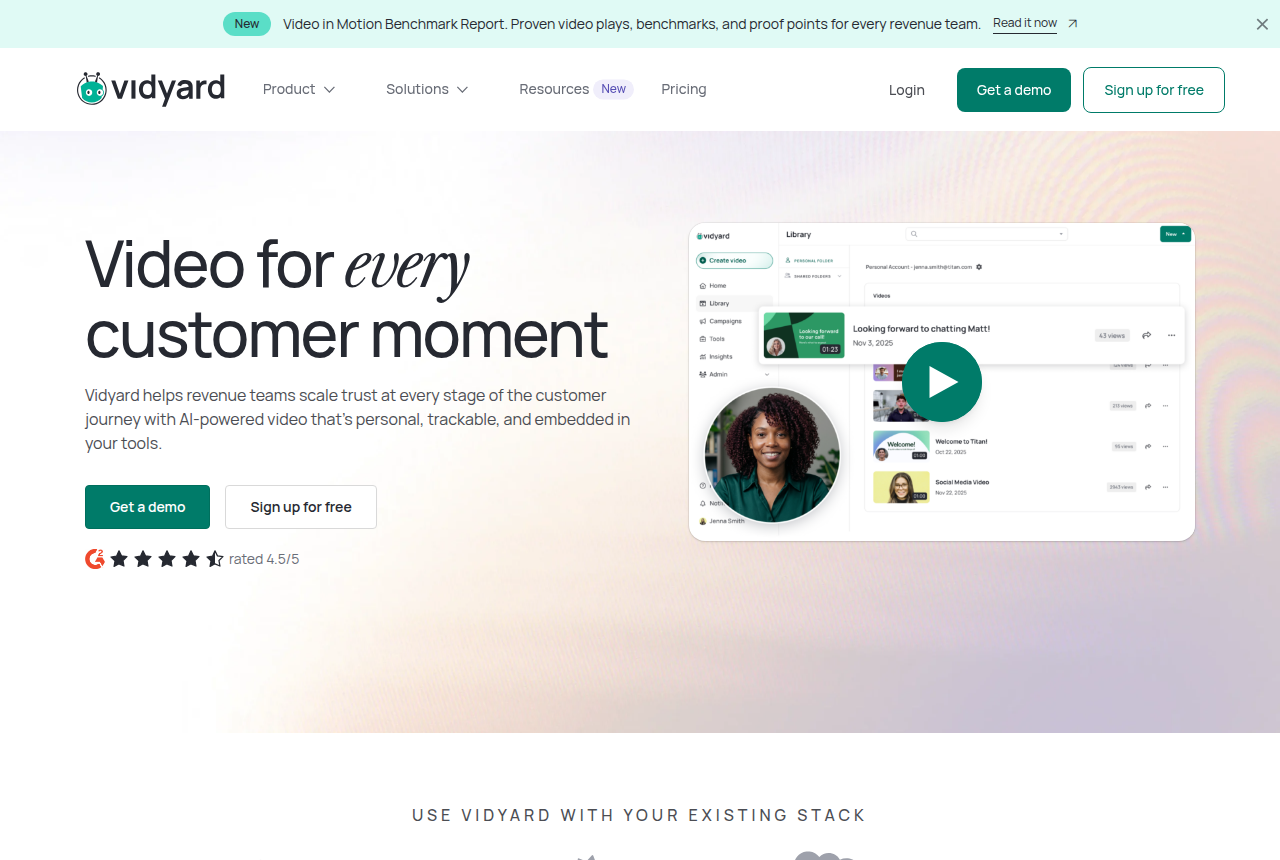
Loom's sales page describes a rep emailing one prospect a short walkthrough of that prospect's problem. The view notification, the booking link, and Variables on the paid plan are built for that email. Choose Vidyard if you need a manager's view of each rep, or CRM sync on a plan whose price is quoted.
Keep the recorder for that email. Putting the same clip on a landing-page player adds a usage charge you will not need. The thumbnail in the email is a separate issue.
Move the file when the page does the selling
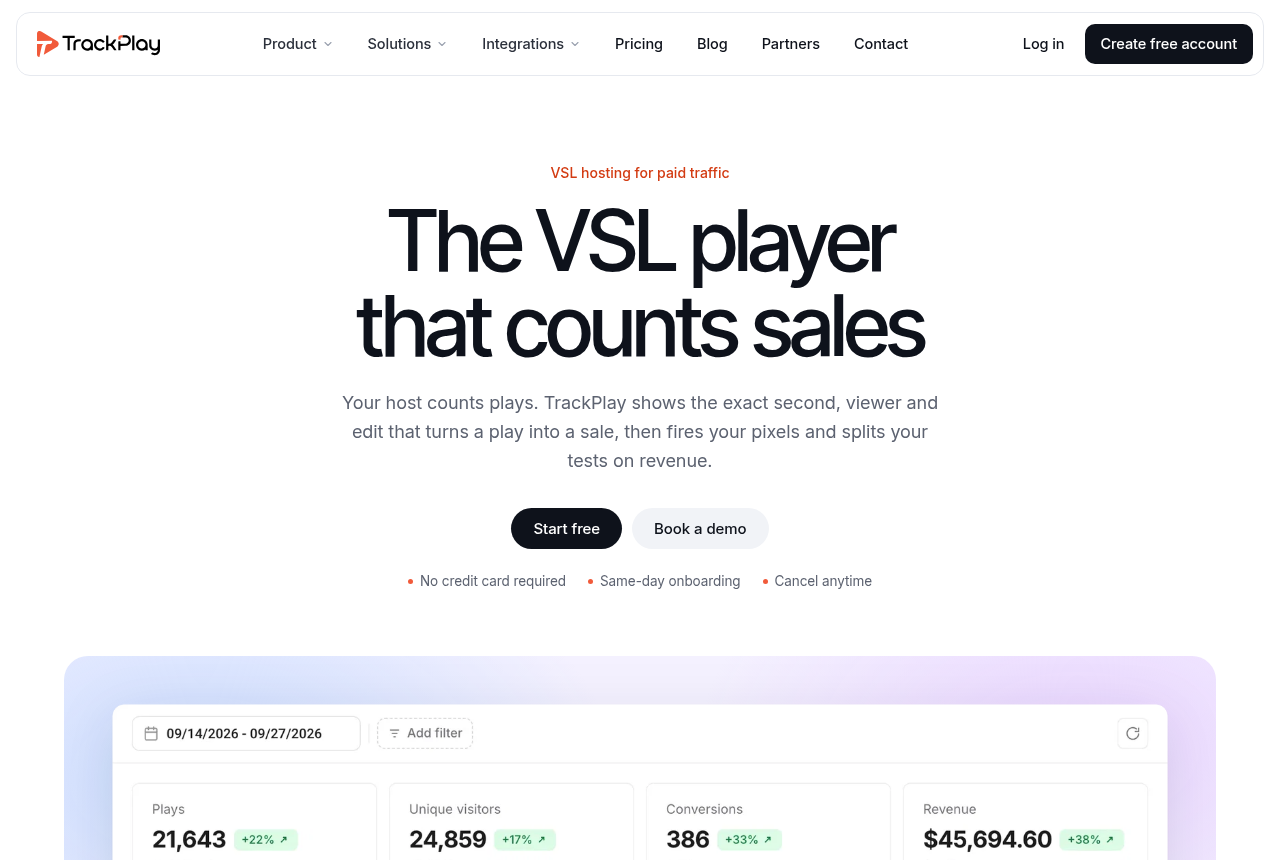
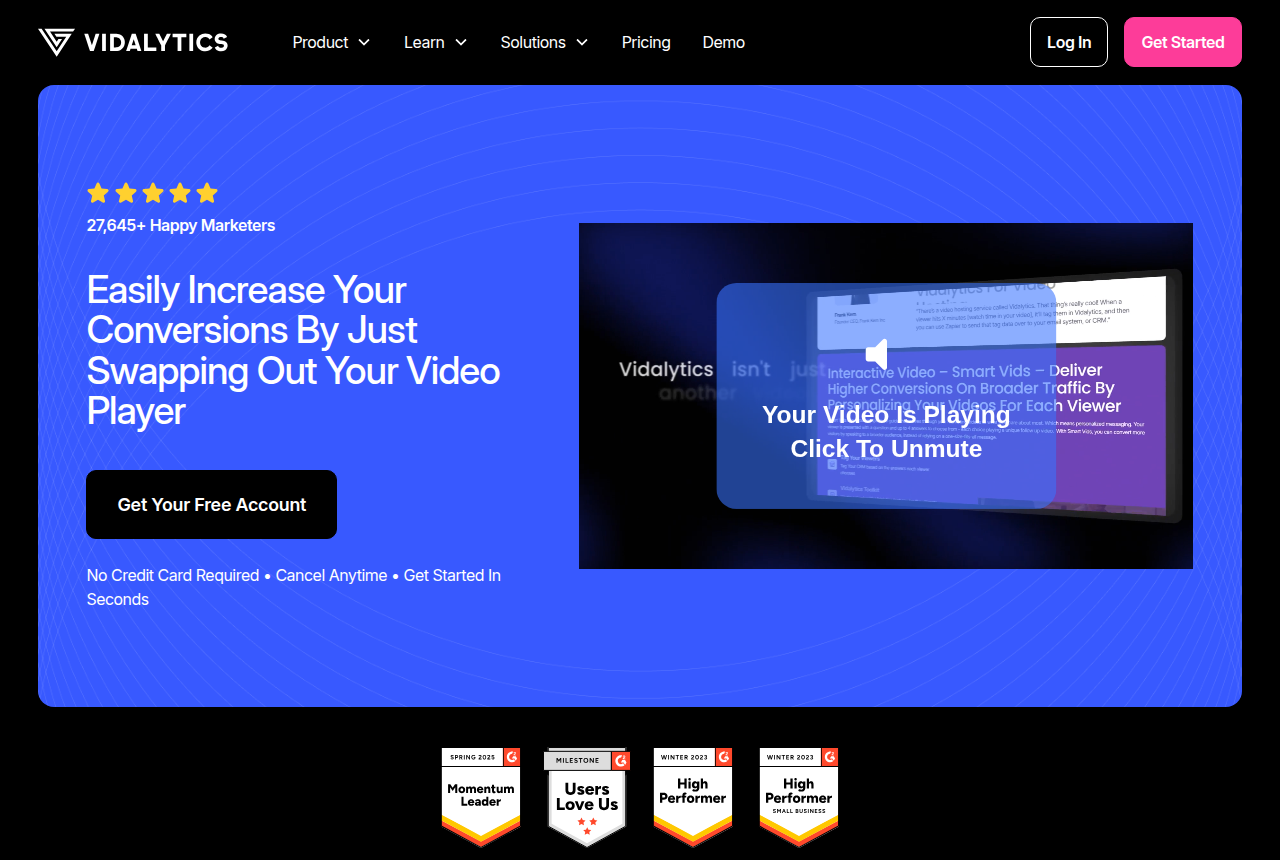
When the page is what sells, you do not know who the visitor is. The opening explains that Loom names someone only if they are signed in, and that is what fails on this visit. An anonymous view does not give you a person to call, and it does not tell the ad account who bought. TrackPlay and Vidalytics are the two hosts here for that page. TrackPlay adds the cart postback. Vidalytics has been public longer, and it marks the second of the conversion inside its own player.
Adilo fits if you also want to record in the same account and a pixel is enough. Wistia fits if the marketing team will run the archive and score leads from watch time, and the visitors are not arriving from a cold ad.
A free Loom alternative for a sales video
Viewer insights are included on Starter, so a view is still recorded. A person's name still requires that they watch while logged into Loom. Hiding those insights from the watcher is limited to Business and the plans above it. Loom's pricing page allows 50 people in a Starter workspace. The Starter FAQ cuts that to 10 users when the account was connected to Atlassian after February 2026.
Vidyard is the recorder that allows a longer clip. You can record five new videos a month, each up to 30 minutes. Older recordings stay available. AI videos stop at 15 for the life of the account. Embedding stops at five videos. Full video analytics are listed on the paid seat, and CRM sync stays on the quoted Teams plan.
Vidalytics Free Forever stores three videos and includes 1,000 plays a month on its pricing page. That player is what you paste onto the landing page, and it keeps Vidalytics branding until a paid plan. Its help article says video stats and conversion tracking are left off the unpaid account, and that passing 50 GB of bandwidth disables the account until the allowance resets or you upgrade.
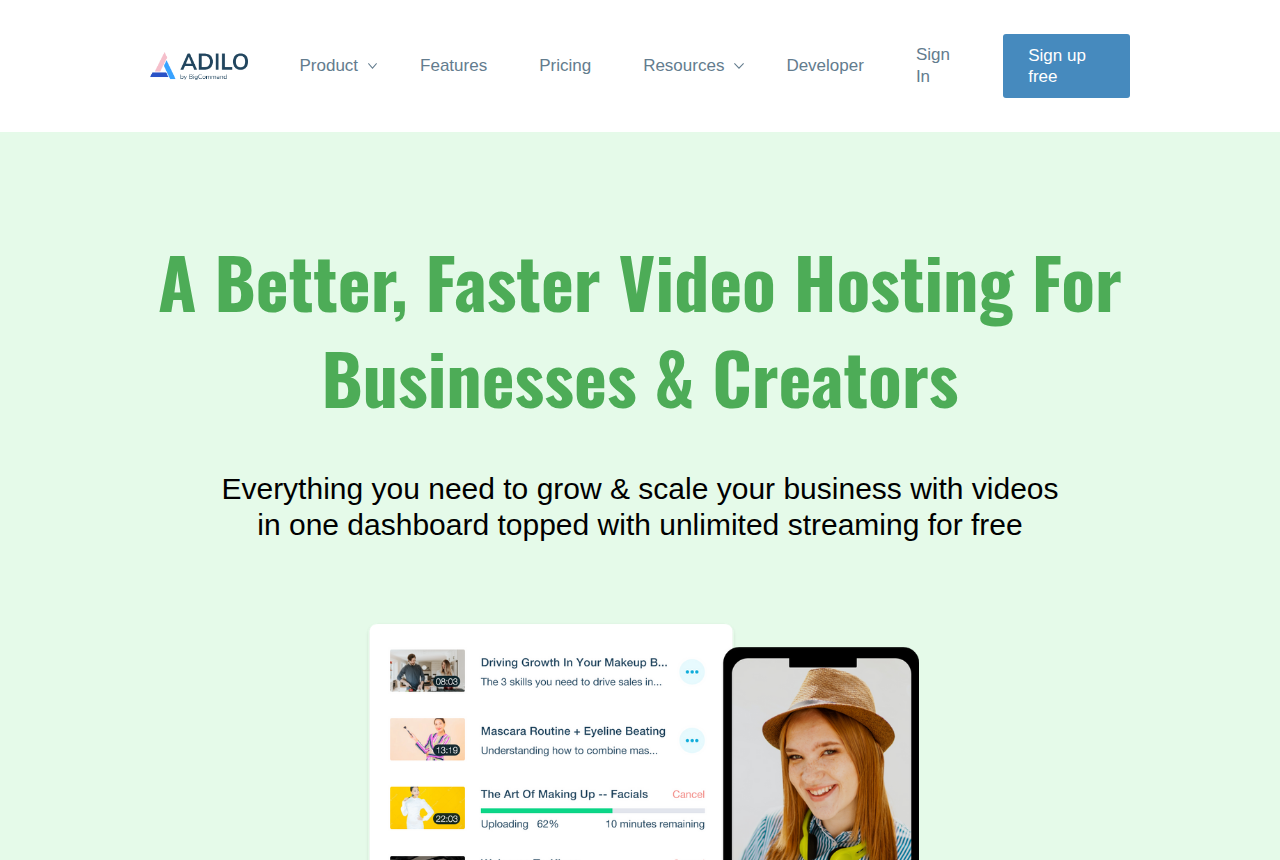
Adilo's free page lets you place the player on a site or a funnel, with an engagement graph and a watch heatmap. Plays are unmetered. The storage limit is shown in the account.
Wistia Free is one person, with 25 GB stored and 200 GB of bandwidth a month, and basic video analytics. Heatmaps and engagement graphs start on Business. Any number of videos can sit inside that storage. After the bandwidth is used, embeds keep playing briefly and then stop until the month resets. Sharing and embedding leave the one-time credits untouched. The figures are on Wistia's plan table.
TrackPlay's unpaid player carries a watermark, and signup takes no card. You place that embed on the page that sells.
A cheaper Loom alternative changes how you are billed
A cheaper Loom alternative means a different way of charging. Business charges for each person. Vidyard charges for each seat. Vidalytics and TrackPlay charge for the number of plays. Adilo charges for storage and does not limit bandwidth. Wistia charges for storage and for seats.
With five users on seat-based plans, you pay for five seats even in a slow month. A plan billed by plays stays at its starting price until traffic uses the included plays, then the bill follows the traffic. A storage plan follows how large the library is. Which bill is lower depends on how many people record and how many visitors watch. The From column is each vendor's published starting price. I'd start with headcount. If five people record every week and ad traffic is low, compare five seats with one play allowance. The smaller of those two published figures is what you pay while volume stays low.
An alternative to Loom for the video on the page
The video needs a different home. Record it in whichever tool the rep is fastest in, export the file, and embed the host's player on the page that sells. The recorder and the host can be two companies.
Use TrackPlay or Vidalytics when the page has to sell. Use Vidyard when the video is still a personal message. Use Adilo when the recorder and the library should share one login. Use Wistia when the marketing team owns the archive. Every alternatives page on the site is listed under all alternatives.
Open source, self-hosted, and the app searches
A self-hosted or open-source Loom alternative takes two tools. You record with software that runs on your own computer. OBS is the recorder people usually pick for that step. You then upload the file to a host if the page needs to track views and, when you buy ads, attribute the sale. The hosts ranked here take the file after it has been recorded.
Searches for Firefox, iPad, Android, Mac, or a Microsoft alternative to Loom are about the app on a device or in a browser. The hosts above are for the file after you have recorded it. AppSumo, Cap, Tella and Supercut appear in those searches too. They are names of recorders and editors. This ranking is about a host that tracks the viewer after the recording.
How to choose before you move the library
List the last ten videos the team sent. If most of them went to one named buyer, you need a recorder, and the choice is Loom or Vidyard. If most of them were the same file on a page with ads behind it, you need a host. The choice then is TrackPlay or Vidalytics, and Adilo is the storage-priced option that still includes a recorder. Add Wistia when those videos are a library the marketing team keeps.
A team that moves one-to-one emails onto a plan billed by plays pays for traffic it does not have. A team that sends cold traffic to a Loom link keeps paying for ads on views that have no name and no sale attached. Look through those ten sends before you move the files.
Changelog
23 November 2026. Each unpaid allowance now states the recording length, the video count, whether the file can sit on a sales page, and whether a view is still recorded. Vidyard's unpaid account can embed five videos. That replaces the earlier line that hosting was left out.