You heard the name from a sales team, or it came up in search results for “sales video” next to the VSL hosts this site covers. The question behind that search is whether Vidyard is real software that earns its seat price, and whether it does the job you have in mind.
It is real. Vidyard has been selling video software since 2011 and describes itself as video for revenue teams that is “personal, trackable, and embedded in your tools.” Our verdict comes from Vidyard's own homepage, pricing, hosting, sales and support pages, plus long-term user reports on G2 and Reddit. We did not run Vidyard in a live sales sequence or campaign, and our methodology page explains how we research instead.
A Vidyard sales video and a VSL are two different jobs
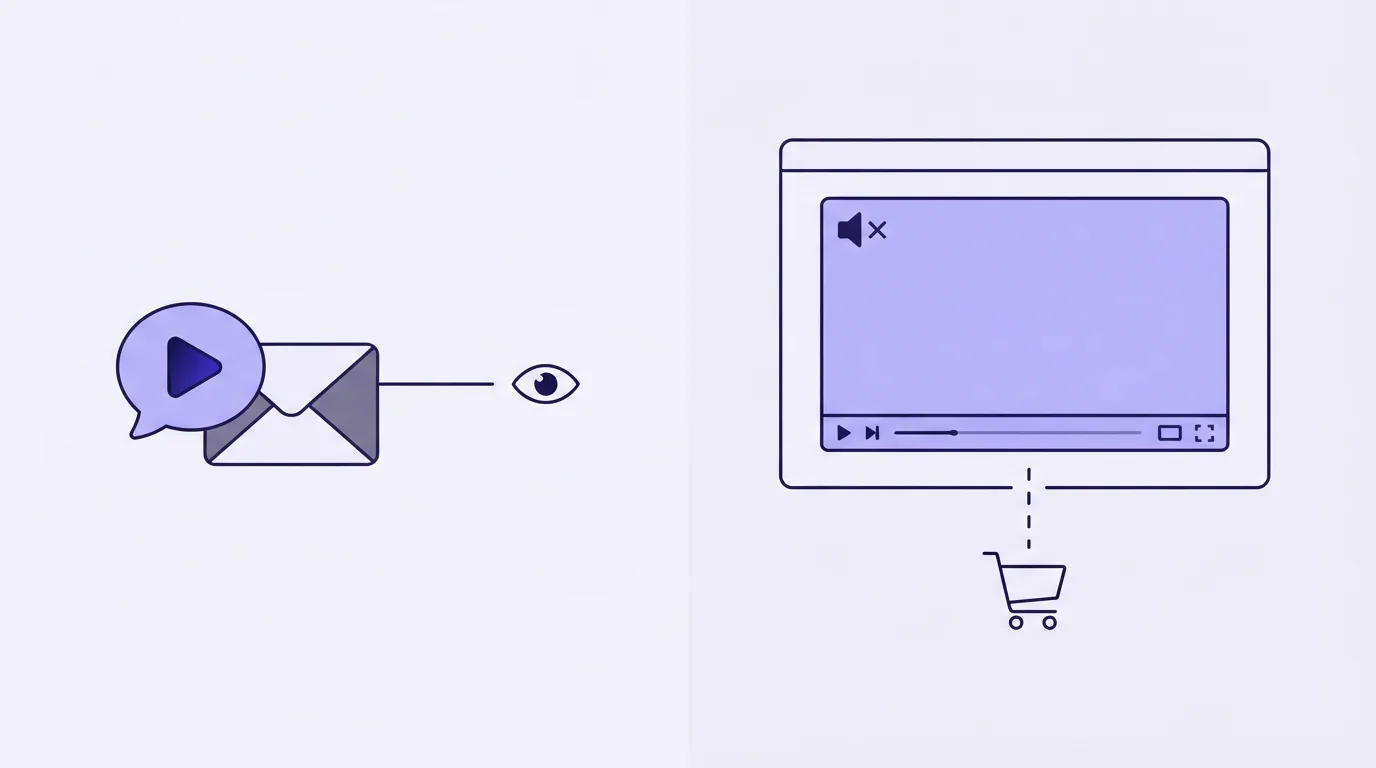
“Sales video” covers two jobs that need different software. In the first, a rep records a minute or so for one prospect, drops it into an email or a LinkedIn message, and wants an alert when it gets watched. In the second, one long video sits on a landing page in front of cold paid traffic and does the selling by itself: it has to hold attention with sound, show a buy button on cue and report the sale back to the ad pixel.
Vidyard is built for the first job, and for hosting the marketing video around it. Its own landing-page guide calls not autoplaying “a landing page video best practice,” and its support docs recommend pairing autoplay with mute by default because browsers block sound. Conversion players for VSLs are designed around getting the visitor to unmute and restarting the video when they do. If that second job is yours, the Vidalytics review, the Voomly review and our ranking of the best video hosts for VSLs are the better starting points.
What Vidyard includes
Four product lines share one account. Video Messages is the recorder, as a browser extension and a desktop app, for personal clips with view notifications. Hosting is an ad-free embeddable player with chapters, in-video calls to action, up to 4K playback and analytics. Video Hubs gather videos onto a branded page, from the Teams plan up. Video Agent and AI avatars automate personalised follow-up when a buyer does something, sold as an add-on.
The sales page shows where those clips travel: LinkedIn, Salesloft, Outreach and the CRMs. The pricing table is where the catch sits. CRM and marketing-automation data integrations begin on Teams, with two on Teams and unlimited on Enterprise, and Starter has none. If watch data in HubSpot or Salesforce is the reason you are buying, budget for a sales call.
Vidyard against Wistia
Its nearest peer on this site is Wistia. Vidyard's comparison page casts Wistia as the tool for marketing-only libraries and pitches itself as the one that adds record-and-send outreach and wider go-to-market integrations. It also claims no library or bandwidth caps against Wistia's bandwidth limits. Those are the vendor's own claims, and they are about B2B content work. Neither tool sets out to be a paid-traffic sales player, which is the gap Vidalytics vs Wistia lays out.
Who should buy it, and who should skip it
Vidyard earns its seats with three kinds of team:
- SaaS and B2B sales teams sending short personal clips, especially follow-ups after a call or a reply, where reps on Reddit say video lands best.
- Customer success teams recording onboarding walkthroughs for one account at a time.
- Marketing teams that want hosting with viewing data in the CRM and can pay for a Teams quote.
Skip it if your video runs on Meta or TikTok ads to a funnel page and you need sound-first autoplay, timed buy buttons, split tests judged on sales, or the cart-verified sale posted back to the ad platform. Skip it too if you only want to move one sales video off YouTube, a case our page on why sellers leave YouTube embeds covers host by host.
Calls to action, autoplay and analytics by plan
Three controls decide how far a Vidyard video can push a viewer, and two of them change with the plan you buy.
Calls to action. Starter includes basic in-video calls to action, the kind a rep adds at the end of a clip to book a meeting. Fully customisable calls to action are listed as not included on Free or Starter and begin on Teams.
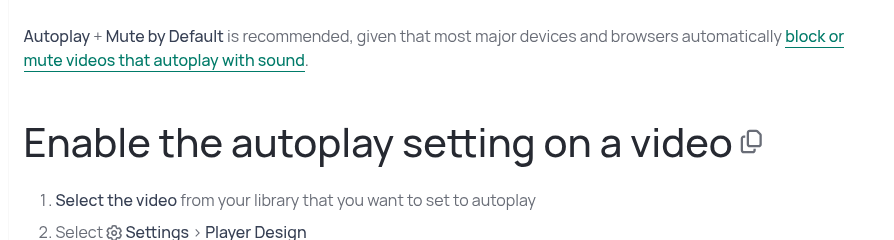
Autoplay. You switch it on in the player settings or by adding autoplay=1 to the video link. Vidyard's help centre recommends “Autoplay + Mute by Default” because most browsers block or mute video that starts with sound. For a rep's clip that is sensible. For a long sales video on cold traffic it means the video starts silent and nothing in the product is built to win the unmute.
Analytics. Paid plans include viewing analytics alongside the view notifications reps use to time a follow-up. Sending those views into the CRM or marketing automation starts on Teams. None of the tiers reports a purchase, so revenue still has to be matched to viewers in your own CRM.
What third-party users say
The praise is about speed. A G2 reviewer wrote that they can “quickly send a video to a coworker or client and communicate in 2 minutes what I’d otherwise have to type out that would take me five times as long.” On r/sales, a rep who asked how to use it in a BDR role got a short reply: “Vidyard is best for follow ups.”
The criticism is about reliability and reach. A paid user in an r/sales thread on alternatives liked the end-of-video call to action and then wrote, “BUT it’s so glitchy. Cuts off recording early, won’t record when going through extension.” In a different thread an SDR described a pilot where “the return was pretty poor,” because many prospects sat “behind strong firewalls that block the videos.” Most of the Reddit reports date from 2021 and 2022, so use the trial to see whether the recording problems still happen on your machines.
Vidyard pricing and plan tiers
Vidyard pricing is per seat. Only Free and Starter carry published prices. Teams and Enterprise are quoted by the sales team, so the table leaves those cells as custom.
| Plan | Per seat per month | What it adds | Who it fits |
|---|
| Free | $0 | Recorder, 5 videos a month up to 30 minutes, no hosting | One rep trying video outreach |
| Starter | $59 annual, $89 monthly | Hosting, basic calls to action, viewing analytics, 14-day trial | Individual sellers and small teams |
| Teams | Custom | Two CRM or marketing integrations, custom calls to action, Video Hubs, domain restrictions | Sales teams that need CRM sync |
| Enterprise | Custom | Unlimited integrations, API access, SSO | Large revenue organisations |
| Video Agent | $24 annual, $29 monthly | Add-on with unlimited AI video automation | Teams automating follow-up |
Seat count is what moves the bill. Ten reps on annual Starter come to $590 a month, or $7,080 a year, before any Video Agent seats. The same ten on monthly billing pay $890 a month. Watching does not change the price, since Vidyard says it puts no bandwidth cap on hosting.
The trap is buying Starter for the CRM link. Starter's feature table lists data integrations as not included, so a team that needs viewing data in Salesforce or HubSpot is buying Teams at whatever the quote comes to. The full breakdown sits on the Vidyard pricing page.