Video sales letter: what it is, how it sells, where to host it
The VSL meaning in plain words, the order a pitch runs in, and the player that keeps a viewer on the way to the order form.
Someone told you to "run a VSL" in front of your offer, and before you record anything you want to know what that means and where the file should live.
The short answer
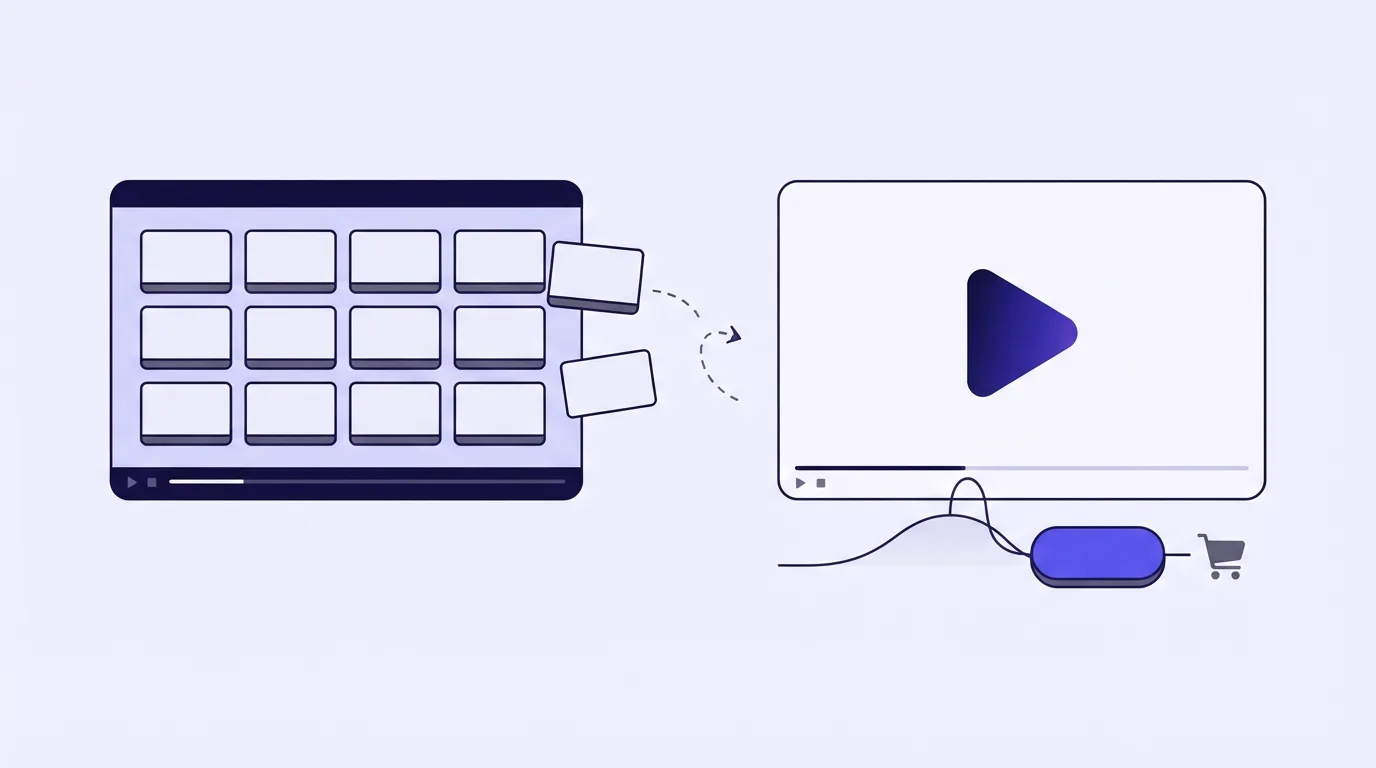
A video sales letter is a recorded direct-response pitch that sits at the top of a sales page and walks a viewer from their problem to your order button. The host you put it on matters because the player decides whether it starts with sound, when the buy button shows, which second people leave at, and whether anything pulls them off the page.
What is a video sales letter? The VSL meaning
HubSpot's sales blog calls a video sales letter "a video that pitches your product or service to a prospect", and its guide gives it the jobs a printed letter always had: name the pain, show the solution, earn belief and ask for the order. The same guide is blunt about the aim: "the main objective of a video sales letter is to sell".
DigitalMarketer's glossary defines it in one line as a promotional video carrying the same information as a traditional sales letter, and it files the term as Video Sales Letter (VSL). So the VSL meaning is the long-form letter, read aloud or shown as slides, with a buy button at the end. "Sales letter video" is the same thing with the words swapped.
It lives on a landing page or a funnel step, usually as the first thing a visitor from an ad sees. That separates it from the short personal clips a sales rep records for one prospect, which HubSpot also covers under video selling. This page is about the one-to-many pitch that runs on paid traffic.
How a VSL sells: script, then player
The script does the persuading. Funnel builders on Reddit describe the order a working VSL follows: "open with relatability, introduce the mechanism, show social proof, create urgency". The same thread argues the format is only the container for that sequence. Treat it as what practitioners report, because nobody has published a formula that works for every offer.
- Relatability. The viewer hears their own problem in the first minute and decides to keep watching.
- Mechanism. The video explains why this solution works where the ones they tried did not.
- Social proof. Results from other buyers make the mechanism believable.
- Urgency. A reason to act now leads into the offer and the button.
The player then removes friction and hands you data. Three jobs matter on a sales page:
- Autoplay that wins the first seconds. Browsers start video muted, so VSL players use a sound-first or "smart" autoplay that restarts the pitch from the top when the viewer unmutes.
- A buy button on cue. A timed call to action, or a gate that holds the offer until the pitch reaches it, keeps the order form from showing before the price makes sense.
- Second-by-second retention. Vidalytics sells itself to "marketers who want to know EXACTLY which point of their video is costing them conversions", per its homepage. A drop-off chart tells you which lines of the script to cut.
Could a written sales letter do the same job? It can, and long copy still sells. Video sets the pace for the reader: nobody can skim past the mechanism to the price, so the argument lands in the order you wrote it.
How long should a VSL run?
Published advice spans roughly five minutes for a simple offer to forty-five and beyond for a high-ticket one, and copywriters argue about it in public. One reply in an r/copywriting thread on VSL length sums up one camp: "Long copy wins. Every time." Others in the same discussions say the sequence matters more than the clock.
I'd skip the search for a magic number. Write the script the offer needs, then run traffic and read the retention chart. A cliff at minute three points to a weak hook or a slow mechanism. A long flat stretch followed by a drop just before the offer means the proof section is running long. That edit loop is the reason the host's analytics matter for a VSL more than for most video.
Length also moves your bill. A longer video on a host that meters bandwidth or minutes costs more each time someone watches to the end, which is where the calculator below comes in.
Where to host a video sales letter
Hosts fall into four groups, and each one solves a different part of the problem.
YouTube: reach, kept off the sales page
YouTube is free and brings discovery. Embedded on a sales page, it works against you: Panda Video's comparison notes that "the platform shows ads during playback and presents suggested videos when the content is paused". The same piece places YouTube at the top of the funnel and a dedicated player on the page that sells. Panda sells that dedicated player, so read the advice with that in mind, though the ads and suggestions it describes are easy to see on any embed. Our page on leaving YouTube embeds for a sales player goes further.
General marketing hosts: good players, built for libraries
Wistia and Vimeo give you a clean, ad-free player and report engagement for every view it serves. Swap in a custom player on a landing page and Vimeo's help center says "we also cannot count finishes or any engagement analytics for these views", per its analytics FAQ. The Wistia review covers where a content-marketing host fits a seller and where it falls short.
VSL players: built around the pitch
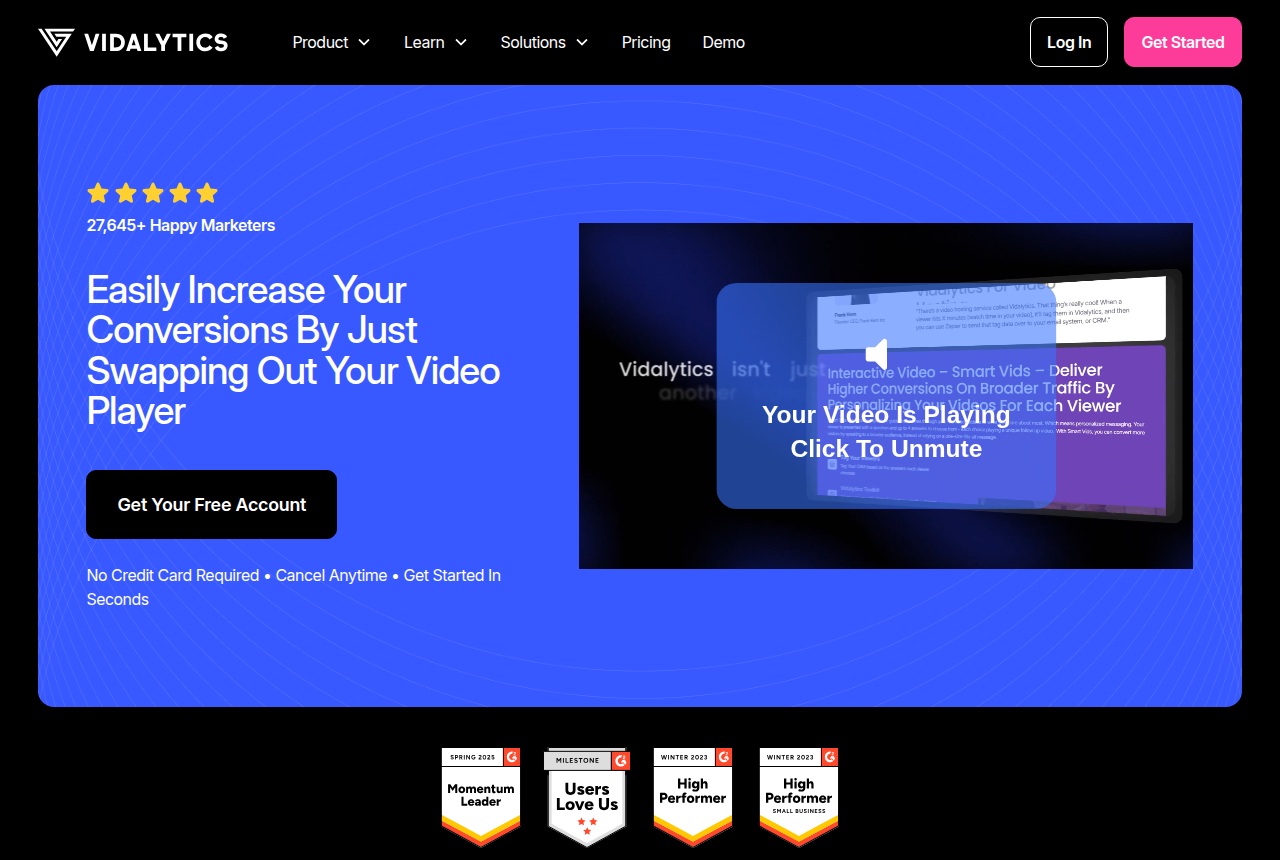
Vidalytics says on its homepage that it "is ideal for video sales letters (VSLs), online course creators, funnel builders, direct response marketers & eCommerce brands", and it leads with per-second analytics, smart autoplay, timed CTAs, play gates and split tests. Our Vidalytics review weighs those against its bandwidth pricing.
Panda Video's homepage headline is "Increase VSL video conversions". Its feature list covers smart autoplay, A/B tests, a dummy progress bar, CTA buttons and Meta and Google pixels. The Panda Video review covers its plans and who it suits.
Vidalytics publishes a split test of one advertiser's video across four players over more than 595,000 sessions, in which its own player converted best. It is one seller's test run by the vendor, so read it as a sign the player can matter, never as the lift you should expect.
Delivery CDNs: cheap bytes, few selling tools
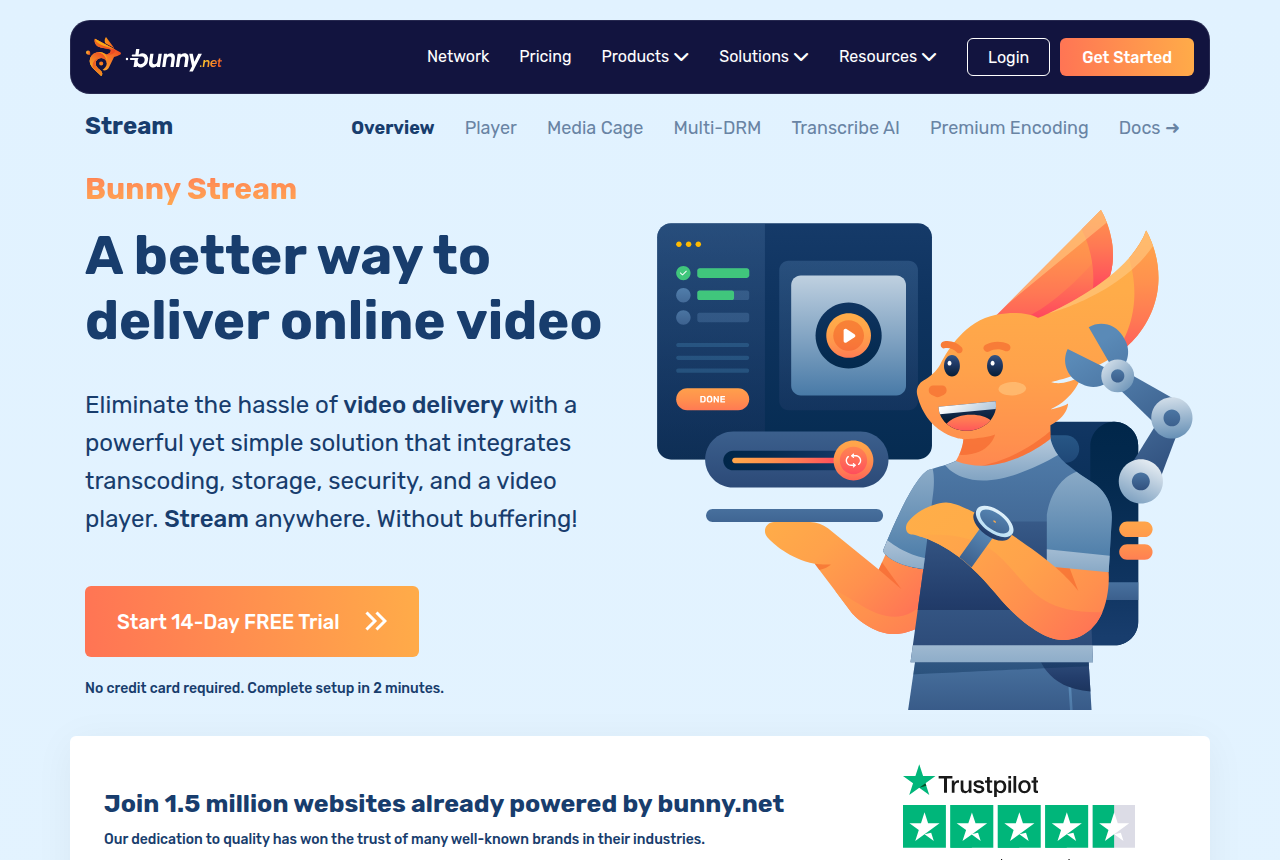
Bunny Stream and Cloudflare Stream deliver video for very little and give you a basic player. Sound-first autoplay, timed buttons and buyer-level retention are left for you or a developer to build. The Bunny Stream review and the Cloudflare Stream review spell out what you would add.
Price follows the meter. Some hosts bill per gigabyte, some per minute and some per play, while others charge a flat monthly fee, so the same video on the same traffic can cost very different amounts. That is a sum to run on your own numbers, which is what the calculator does.
What to do next: price your VSL on each host
Once you know roughly how long the video will run and how much traffic it will get, the hosting decision comes down to two questions: does the player do the three jobs above, and what does it cost at your volume? Put your length, visitors and watch rate into the calculator and it prices one video on each host from the vendors' list rates.
See what your VSL costs on each host
To see the hosts side by side on features, read our ranking of the best video hosts for VSLs. How we evaluate video hosts explains the method: we read vendor documentation, pricing pages and long-term user reports, and we do not run the tools on live campaigns.
Frequently asked questions
What does VSL stand for?
Can I put my VSL on YouTube?
Do I need a VSL host, or will any video host do?
What length should my VSL be?
Related reading
- Video sales letter script template: six timed blocks that keep viewers watching to your offer
- How to make a video sales letter: script, page, player and launch in six steps
- VSL hosting cost calculator: what one sales video costs on each host
- Head-to-head comparisons of VSL hosts
- Alternatives to the hosts sellers outgrow
Changes to this page
- 14 October 2026: first published.

Written by
Mara Vance
Editor
Mara edits the reviews and roundups on VSL Host Report. She looks at how a video player behaves on cold paid traffic: autoplay and unmute behaviour, per-second retention, timed CTAs, lead gates and load speed. She also maps what each host really costs, whether it bills per play, per gigabyte or per seat, and rebuilds the monthly bill for a typical VSL funnel. For each piece she reads long-term user reports across forums and review sites, works through the vendor's own docs and pricing, and confirms the numbers before a verdict goes live.
Last checked 2026-10-14